
As a startup you have to pitch all of the time. As your company grows and takes on new markets and foreign investors, you have to adapt your pitch to speak to them. This means some cultural adjustments in how you do business. I just wrapped up doing the pitch coaching for the Nordic US Food Summit and noticed 3 common mistakes that almost all startups made when approaching the US market. In this minisode, I share what they are and how you can avoid them when pitching any VC, potential partner, or customer located outside of your home operating market. nLike the show? Consider becoming a patron on Substack. You’ll get access to exclusive content like Analisa’s travel notes and episode transcripts. Most importantly, your contribution directly enables the creation of more content like this. Contributions start at $5. Sign up here. nnWebsite: www.nordicfoodtech.io nInstagram: @nordicfoodtech nShow Host: Analisa Winther
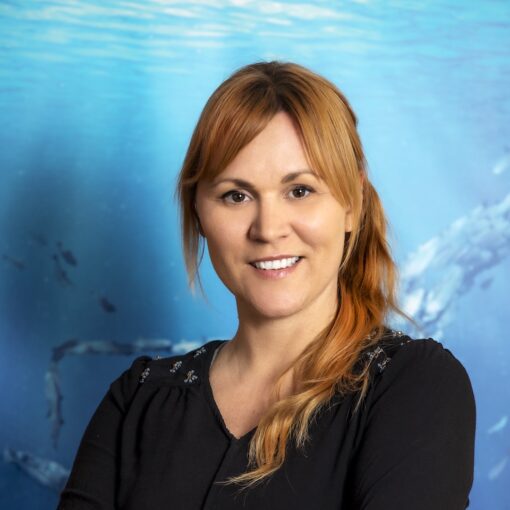
Marine Stewardship Council on the future of fisheries
The Marine Stewardship Council is kind of a big deal in the world of fish. They are the organization that sets the standards for sustainable fisheries worldwide. If a fishery meets MSC’s standards, their products are awarded with a blue ecolabel. Many global organizations like IKEA and McDonald’s exclusively purchase MSC certified fish. For them, its a standard that denotes quality and sustainability. This also means that who and what gets certified matters a lot in the global market.
Big News!
I’ve got big news to share! I am going 100% in on starting my own business, which includes growing the podcast. In this episode, I share the details behind the move. If you believe in me and would like to support this work, consider becoming a paid subscriber of the podcast on Substack. To celebrate, I’m offering 20% off an annual subscription to the podcast, which makes it $39 for the year or about $3.50 every month. Sign up here.
n
n
n
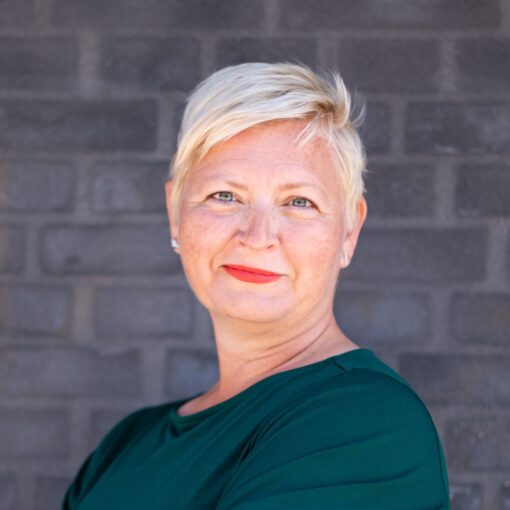
Line Rise Nielsen on big kitchens for food system transformation
Hospitals, schools, prisons, elderly homes, day cares, and corporate canteens are all examples of public or professional kitchens. Every day these kitchens churn out hundreds of meals, which means they have a pretty major influence not only on what people eat, but also the entire supply chain. In today’s episode, I sit down with Line Rise Nielsen, The Food Policy Director of Changing Food a consultancy that helps kitchens convert to more sustainable practices. Line and I get into how these kitchens are undergoing transition and why their role is sup important.

Maliina Abelsen on unleashing sustainable solutions
Maliina Abelsen is the Head of Programme at UNICEF in Greenland. From 2009-2013 she was a Member of Parliament in the Greenlandic Inatsisartut where she first served as the Minister of Social Affairs and Equality and then as the Minister of Finance. She has also served as the CCO of Air Greenland and the CEO of the Arctic Winter Games 2016. This episode was recorded in Nuuk as part of the UNLEASH Regional Innovation Lab, which gathered 200 people under the age of 35 from the Arctic and Nordics to develop solutions to the challenges we are facing as a region. We had a particular focus on biodiversity, education, and health and wellbeing. In this episode, we discuss what creating a sustainable solution from indigenous knowledge and modern science and technology can look like, why food is a powerful healer, and how we must consider the whole in our creations.
Greenland's Maliina Abelsen on unleashing sustainable solutions
Maliina Abelsen is the Head of Programme at UNICEF in Greenland. From 2009-2013 she was a Member of Parliament in the Greenlandic Inatsisartut where she first served as the Minister of Social Affairs and Equality and then as the Minister of Finance. She has also served as the CCO of Air Greenland and the CEO of the Arctic Winter Games 2016. This episode was recorded in Nuuk as part of the UNLEASH Regional Innovation Lab, which gathered 200 people under the age of 35 from the Arctic and Nordics to develop solutions to the challenges we are facing as a region. We had a particular focus on biodiversity, education, and health and wellbeing. In this episode, we discuss what creating a sustainable solution from indigenous knowledge and modern science and technology can look like, why food is a powerful healer, and how we must consider the whole in our creations.
n
n
Related Links
n
Aviaja Lyberth Hauptmann on the Greenlandic Diet Revolution
n
More episodes on the Nordics food heritage
n
Trailer: Sumé – The Sound of a Revolution
n

Kitchen Collective Founder Mia Maja Hansson on launching new food ventures
Mia Maja Hansson has been super influential in nurturing Copenhagen’s food startup scene. She launched Kitchen Collective, one of the first test kitchens in Europe followed by a co-working collective and street food festival for startups to test new products. The red thread in everything she does is a vision to create a more sustainable, diverse food culture that’s supported by healthy businesses and healthy people. In today’s episode, we talk to Mia Maja about her journey, common mistakes she sees food entrepreneurs make, and recommendations for running a test kitchen.
Episode Transcript

Aarstiderne Founder Søren Ejlersen on pioneering home grocery delivery
It feels like grocery delivery services and subscription meal boxes are everywhere these days. But it’s actually not that new of a trend. Aarstiderne was one of the first to enter the space over 20 years ago. Today, they supply around 80,000 households in Denmark and 10,000 in Sweden with organic groceries. Their goal is to help more families make green food choices. Join me and the Co-Founder of Aarstiderne Søren Ejlersen as we dive into the highs and low of their startup journey and the philosophy behind their universe of good food ventures.
Give Feedback, Win $200
Once a year I crowdsource feedback from listeners about the show as well as ideas for future guests / topics you’d like to see me cover. The 10 question survey is now open. Find it here.
n
To say thank for answering it, I’m raffling off two prizes!
n
- n
- A $200 gift certificate to the restaurant of your choice anywhere in the world (the restaurant must agree to / offer digital gift certificates). The goal here is to support small businesses and good food
- 3 coaching sessions with me. We can tackle any problems you might be facing around designing what’s next in your life to your career, biz advice, pitch deck review, etc. We will co-create what the sessions should look like together (this is the same process I follow with my coaching clients)
n
n
n
And if you’re not interested in a prize, but still want to give feedback that’s also okay! I read everything that’s submitted and it really helps me to get to know who is listening and what topics you want to hear more about.
n
Deadline to answer the survey is Septmeber 30, 2022.
n
n
About the Nordic FoodTech Podcast
n
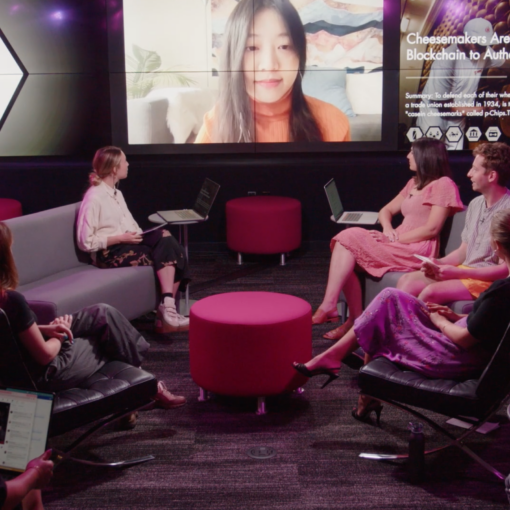
Fringe Flavors and Ingredients (Sparks & Honey Guest Post)
If you’re only now talking about turmeric, you’re too late. Sparks & Honey’s Daily Culture Briefings focus on the cultural signals that are constantly shaping our new normal and how that affects your brand. Today, we look at new and emerging ingredients and discuss strategies for determining which flavors are fads and which are here to stay. Our guest expert is Analisa Winther, Host of the Nordic FoodTech Podcast and corporate innovation venture scout. This episode was recorded live on July 19, 2022 at the Sparks & Honey studio in NYC. It’s available as a podcast and video.